
Vygonichi

Last Week on the Road
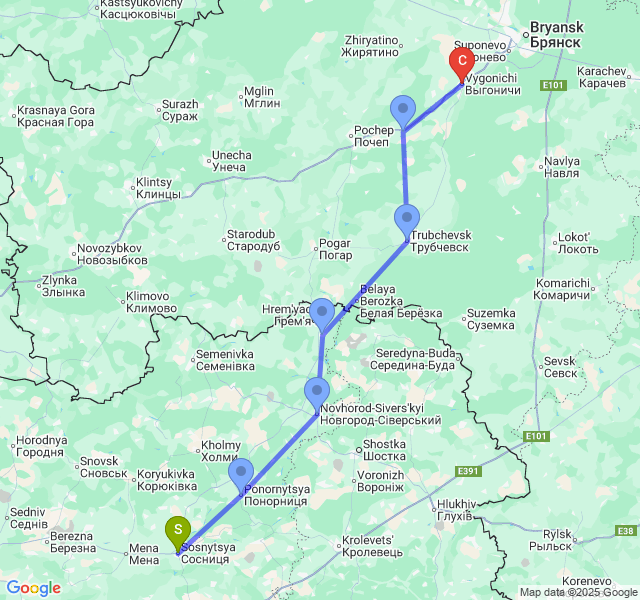
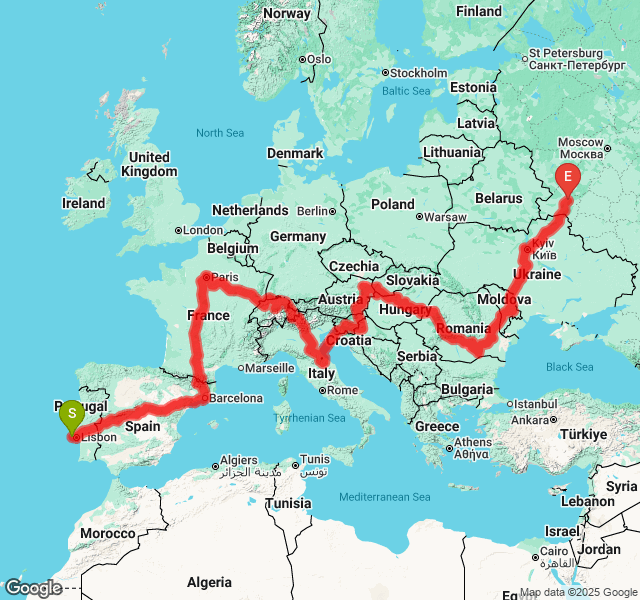
My Epic Journey So Far
Today’s Weather Report
Well, today in Vygonichi, it’s a comfy 20.81°C, though it feels like a nippy 20.62°C to my gnome-y senses. The skies are as overcast as my grumpy aunt’s mood swings. The air is 64% water vapor, which means my gnome hat doubles as a mini umbrella. Wind’s at a leisurely 1.59 m/s; I’ve farted stronger gusts. Perfect weather for a gnome on the roam!
From Russia, With Gnome
Ah, Russia. The land of a thousand tales and endless horizons. While traversing the sprawling landscape, one sight that particularly caught my fancy was the majestic Desna River. It flows with such grace and might, much like the Russian spirit itself.
Now, here’s a little Russian wisdom for you, “Voda i kamiń ne gniet.” Translation? “Water does not break a stone by force, but by often falling.” That’s the Desna River for you, carving its way through the landscape slowly but surely, reflecting the persistent, resilient Russian spirit.
As of now, my little gnome legs have carried me a whopping 7544.2 kilometers in 250 days! I’ve made intriguing stops at places like Kam’yans’ka Sloboda, Trubchevsk, and Krasnyi Rog. Each place, with its own charm and tales to tell.
While I didn’t cross any borders this time, it’s always fascinating to see how the language and culture subtly shift as you move from one town to the next. But, that’s a story for another day.
Before I sign off, let me share a verse from a popular local song, “Podmoskovnye vechera”, “Вечера на хуторе близ Диканьки.” Translated, “Evenings on a Farm Near Dikanka.” It beautifully captures the serenity and simplicity of the Russian countryside.
Until next time, do svidaniya and keep wandering!
Wandering Vygonichi’s Streets



Gnome’s Miniature Masterpiece Mishap
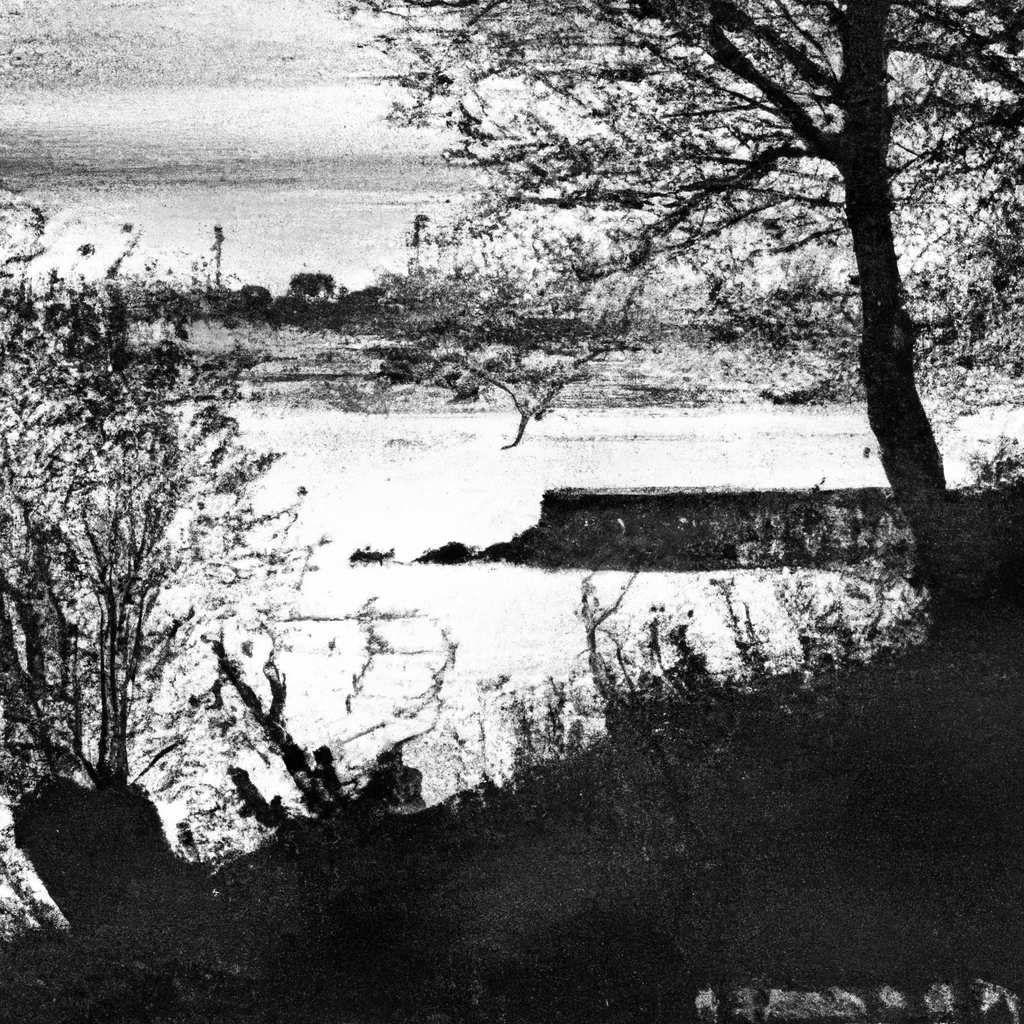
Painted en plein air while taking in the sights of Vygonichi.
— Oliver the Gnome, aspiring artist
Vygonichi: Monks, Music, and Me!
Firstly, let me tell you about the Vygonichi Monastery. This ancient edifice is a testament to Russian resilience. Translated as “Выгоничский монастырь” in Russian, the monastery stands as proud and unyielding as a Tolstoy’s hero, weathering the storms of time.
Secondly, the city is known for its contribution to Russian music. The Vygonichi Folk Choir is world-renowned. They’ve been belting out harmonies since Tchaikovsky was a tyke. In Russian, it’s known as “Выгоничский народный хор.”
In the immortal words of the Russian poet, Pushkin, “Где нас нет, там лучше всего,” which translates to “It’s best where we are not.” Well, I disagree when it comes to Vygonichi! It’s best where I am now, amidst the charm and culture of this magnificent city.
Beet-ing Around the Borsch!
Greetings from the vibrant city of Vygonichi! I’ve had the pleasure of sampling a local delight called “Borsch”, a traditional Russian soup. Here’s a home-cooked recipe I’ve picked up from a friendly babushka.
Firstly, get a beetroot (свёкла, “svyokla”), cabbage (капуста, “kapusta”), potatoes (картофель, “kartofel”), carrots (морковь, “morkov”), and onions (лук, “luk”).
Start by frying the onions and carrots, then, add in the beetroot. In a separate pot, boil the cabbage and potatoes until tender. Once done, combine everything and let it simmer.
As the locals say, “Главное – это свекла!” (The main thing is the beetroot!). It gives the Borsch its unique color and taste.
Just before serving, garnish with dill (укроп, “ukrop”) and a dollop of sour cream (сметана, “smetana”).
Enjoy this hearty Vygonichi specialty!
See you tomorrow!

 Around the World on Foot, in Many, Many Days